One Food Concept – Many Canteens: How to Make the Design Work in Both Large and Small Kitchens

One Food Concept – Many Canteens: How to Make the Design Work in Both Large and Small Kitchens
When an organisation decides to introduce a single food concept across several canteens, it can create a strong sense of unity and recognition. But it also presents a design challenge: how do you make one concept work equally well in a large production kitchen serving hundreds of people and in a small satellite canteen with limited space and staff? Here’s how to create a flexible, scalable design that works in every setting.
Think in Frameworks – Not Fixed Solutions
A successful food concept isn’t about copying one solution everywhere; it’s about creating a framework that can adapt to local conditions. Start by defining the core elements – such as values, visual identity, tone of voice, and overall principles for food quality and presentation – while leaving room for variation.
For example, all canteens might share the same focus on seasonal, locally sourced ingredients and balanced meals, but the menu range and serving style can be adjusted to suit the kitchen’s size and the guests’ needs. This approach keeps the concept recognisable without making it restrictive.
Læs også:

Design with Flexibility in Mind
When developing a design that must work in different environments, flexibility is key – both in the physical layout and in the visual and communication elements.
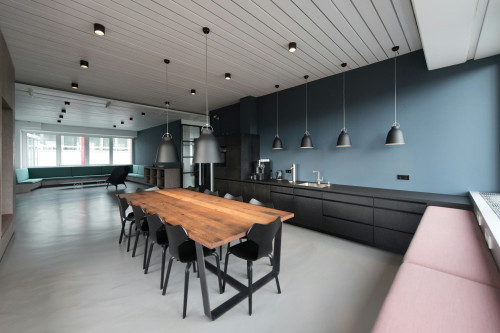
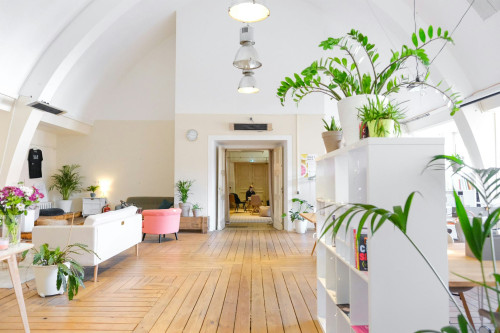
- Scalable design features: Use modular furniture, colour schemes, and materials that can be adapted to different room sizes. A large canteen might have full wall graphics and large signage, while a smaller one could use a single accent wall and a compact logo display.
- Adaptable signage: Create a system where menu boards, icons, and messages can be printed or updated locally. This ensures consistency while allowing for easy updates.
- Digital support: Consider digital screens or apps that display daily menus and stories behind the dishes. These can be centrally managed but locally customised.
The Same Experience – Different Settings
A shared food concept should deliver a consistent experience, no matter where employees eat. That means thinking beyond interior design and focusing on atmosphere and storytelling.
How should guests feel when they enter the canteen? Calm and homely, lively and urban, or inspired by nature? Once you’ve defined the overall mood, you can translate it into different scales: large spaces with multiple zones, or small ones with a few carefully chosen details.
Even small touches – such as consistent menu layouts, recognisable colours, or a shared way of presenting the daily special – can tie the experience together across locations.
Involve Staff and Guests
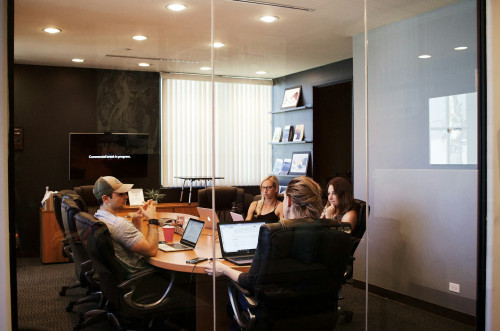
A food concept only works if it makes sense for the people who use it every day. That’s why it’s essential to involve both kitchen staff and guests in the development process.
Kitchen teams know what’s practical in a small space and where flexibility is needed. Guests can share what matters most to them – whether it’s quick service, clear information, or healthy options.
By gathering insights from both large and small canteens, you can refine the design so it’s both robust and realistic in daily operation.
Build a Visual Identity That Can Grow
A strong visual identity makes the food concept recognisable, but it must also be able to evolve. You can achieve this by creating a design toolkit that defines colours, typography, imagery, and graphic elements – all of which can be combined in different ways.
A large flagship canteen might use the full palette, while a smaller one applies only selected elements. This keeps the visual thread intact while allowing each canteen to express its own character.
Test, Adjust, and Share Insights
A food concept isn’t static – it should evolve as needs, technology, and eating habits change. It’s a good idea to test the design in a variety of canteens before rolling it out widely.
Run a pilot phase to collect feedback from both staff and guests. Use their input to fine-tune everything from signage and colour choices to flow and communication. And create a platform where canteens can share ideas and solutions – this strengthens both the community and the overall quality.
One Concept – Many Expressions
When the design is well thought out, flexible, and rooted in a clear identity, one food concept can thrive across many canteens. It’s not about making everything identical, but about creating a shared experience where each canteen can express itself within the same framework.
That way, you build a concept that’s both recognisable and dynamic – one that grows with your organisation, whether it’s a large production kitchen or a small lunch corner.
Læs også: