People and Machines in the Warehouse: Collaboration in Practice

People and Machines in the Warehouse: Collaboration in Practice
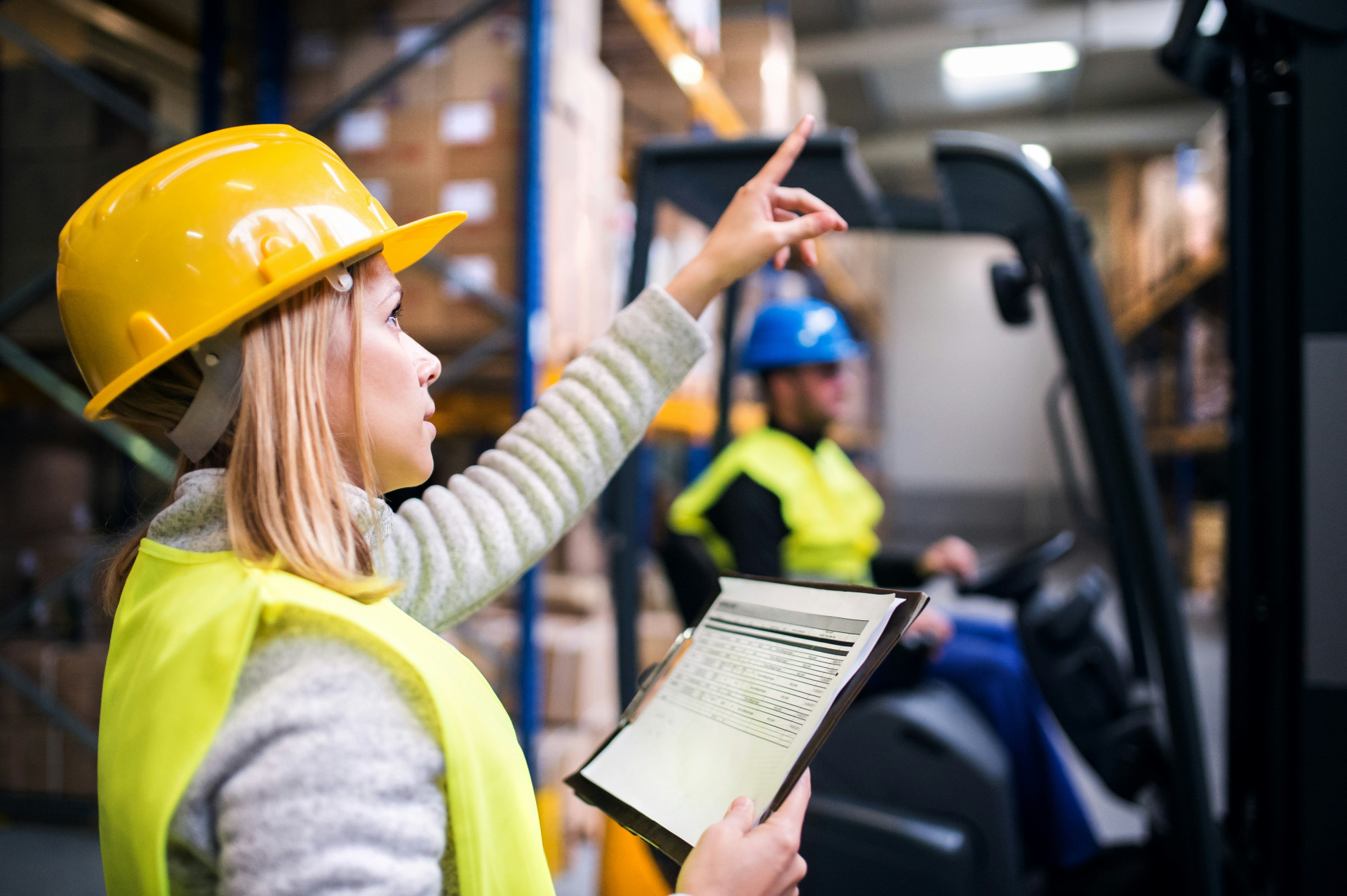
Robots, sensors, and automated systems have long since entered British warehouses. But rather than replacing people, they increasingly work alongside them. The interaction between humans and machines has become a central part of modern logistics – and it demands both technological understanding and human adaptability.
This article explores how this collaboration works in practice, what benefits it brings, and how companies can create the best conditions for an efficient and safe partnership.
From Manual Labour to Collaborative Technology
Only a few decades ago, warehouse work was mainly about physical strength and routine. Today, it is just as much about being able to collaborate with technology.
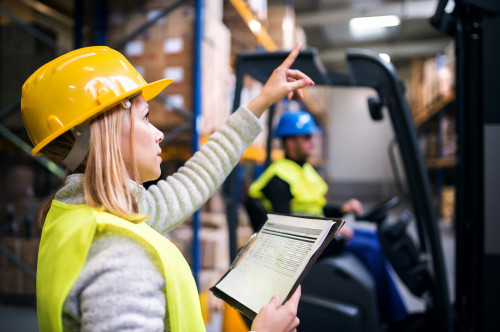
Automated conveyors, robotic arms, and driverless vehicles handle many of the heavy and repetitive tasks. Meanwhile, employees take care of supervision, quality control, and problem-solving – the areas where human flexibility and judgement remain indispensable.
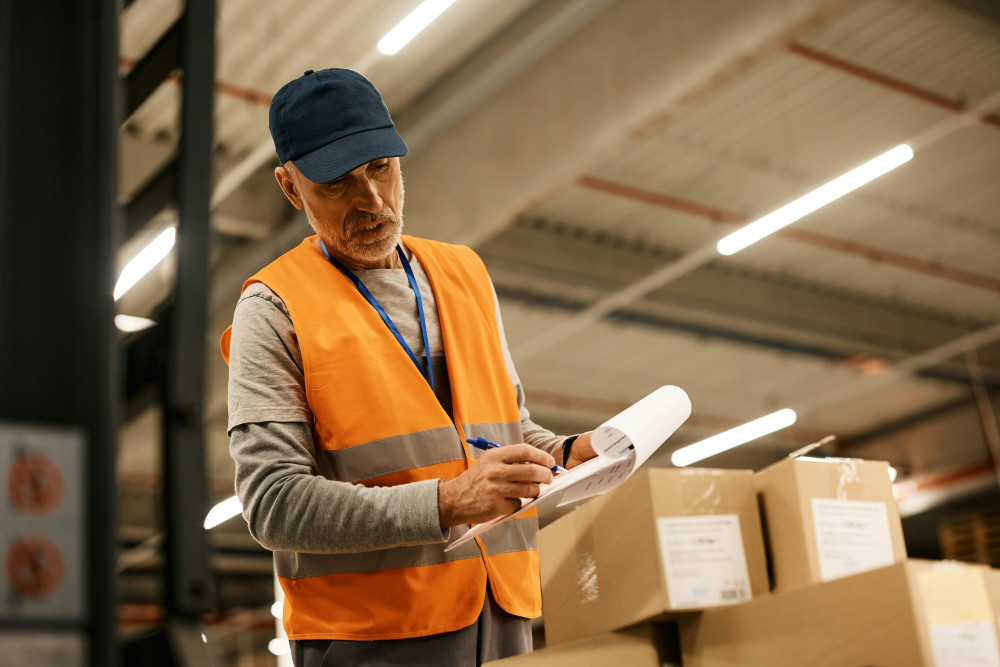
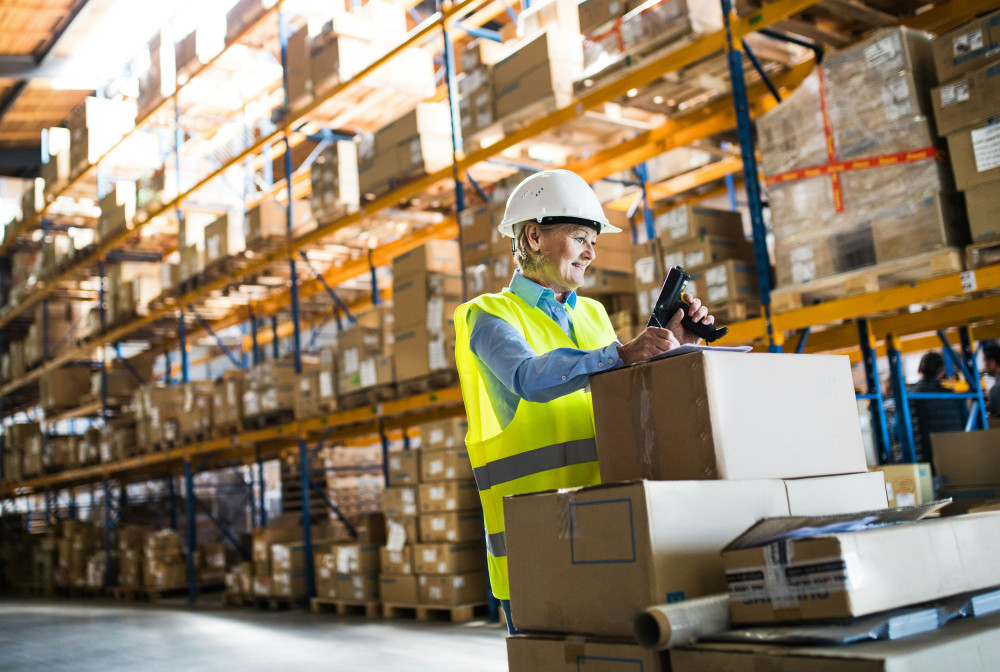
As a result, the warehouse worker of today is often an operator, technician, and coordinator all in one. The role has shifted from performing the work to managing and optimising it.
The Benefits of Collaboration
When people and machines work together, the gains can be significant – for both businesses and employees.
- Higher efficiency: Robots can work continuously and precisely, while humans can handle unexpected situations and adapt quickly. The combination creates a more stable workflow.
- Better working conditions: Automation reduces heavy lifting and repetitive movements, lowering the risk of injuries.
- More meaningful tasks: When machines take care of routine work, employees can focus on tasks that require oversight, teamwork, and problem-solving.
- Fewer errors: The interplay between sensors, data, and human control ensures greater accuracy in picking and packing.
However, these benefits do not come automatically. They require thoughtful implementation and proper training for staff.
Everyday Challenges
Despite the potential, the transition to a more automated warehouse can bring challenges.
Some employees may feel uncertain about new systems, while others experience an increased pace as machines set the rhythm. Technical issues can also arise, requiring quick intervention to avoid downtime.
That is why training and involvement are crucial. When employees understand the technology and feel ownership of the processes, collaboration becomes much smoother.
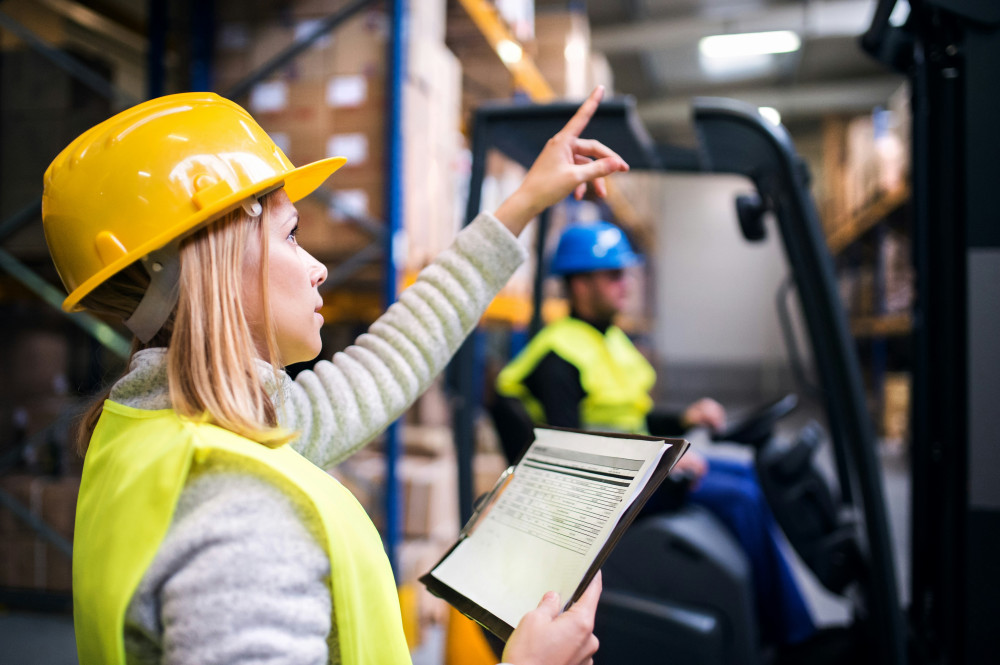
Another key aspect is safety. When people and machines share the same workspace, there must be clear rules for movement, distance, and communication. Modern sensors and safety systems can help, but it is still people who ensure that the rules are followed.
Læs også:
Examples from Practice
Across the UK, logistics companies are already gaining experience with collaborative robots – so-called cobots.
At a major supermarket distribution centre, cobots assist with picking goods from high shelves. The robot moves to the correct location, while the employee checks and packs the items. The result is faster processing and fewer mistakes.
In another example, autonomous vehicles transport pallets between zones in a large e-commerce warehouse. Here, employees have taken on new roles as system operators, monitoring traffic and resolving bottlenecks when they occur.
In all these cases, technology has not replaced people – it has changed the way they work.
The Warehouse of the Future: Flexibility and Learning
The development does not stop here. Artificial intelligence, data analytics, and more advanced sensors will make collaboration even closer.
In the future, systems will be able to predict needs, adapt to changes in real time, and learn from past errors. This will require employees to understand and use data – and companies to foster a culture where learning and development are part of everyday work.
It is not just about technology, but about people who can think and act in partnership with it.
Collaboration as a Competitive Advantage
Companies that succeed in creating a well-functioning collaboration between people and machines will stand strong in the competition. They can deliver faster, more accurately, and with higher quality – while maintaining a good working environment.
The key is to see technology as a partner, not a replacement. When machines handle the repetitive tasks and people focus on the complex ones, a synergy emerges that lifts the entire warehouse.
The warehouse of the future is not about choosing between humans or machines – it is about both, working together in a partnership that continues to evolve.
Læs også: