Think Green from the Start: Integrate Waste Management, Recycling and Resource Efficiency into Your Choice of Business Premises

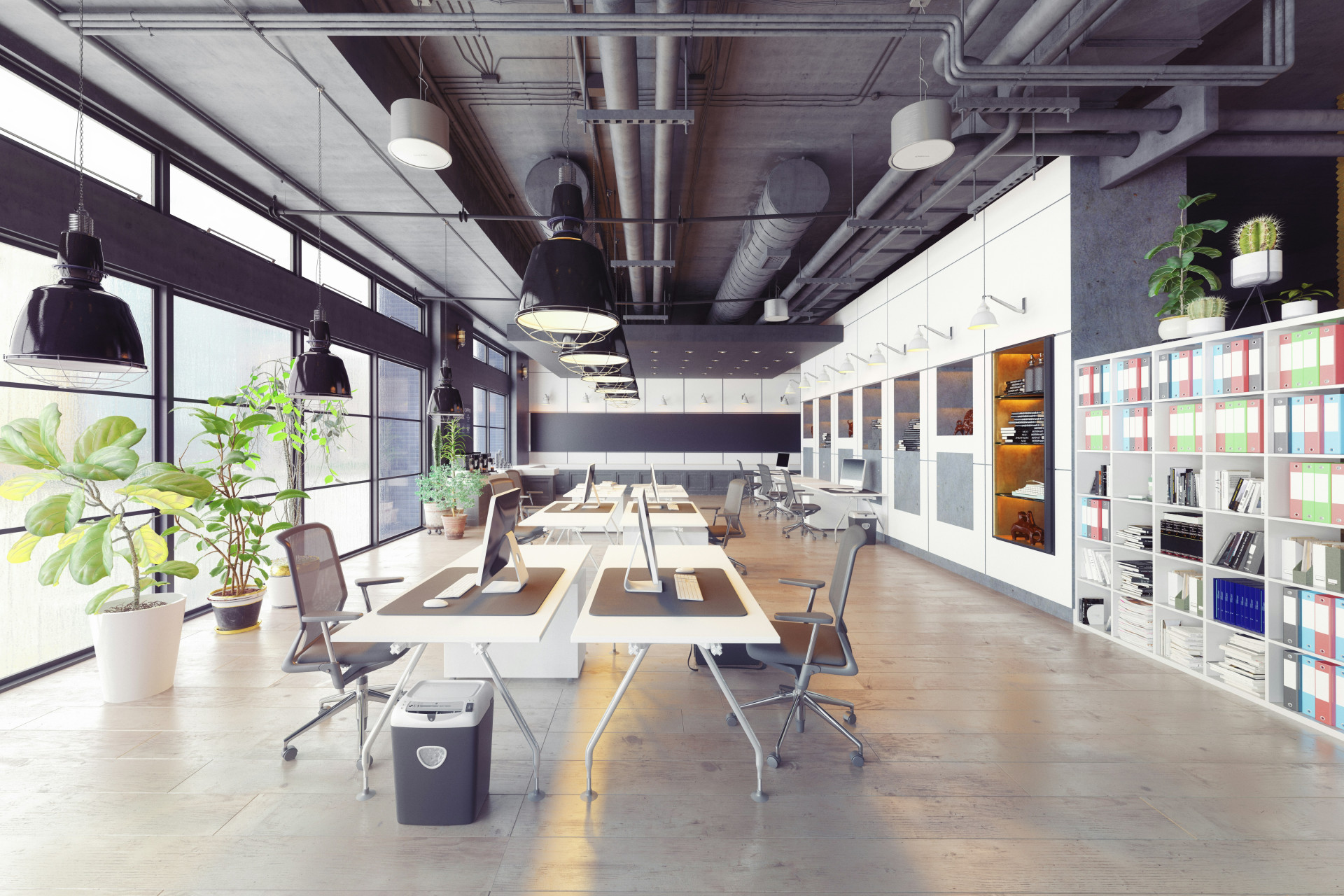
Think Green from the Start: Integrate Waste Management, Recycling and Resource Efficiency into Your Choice of Business Premises
When businesses look for new premises, the decision often revolves around location, cost and size. Yet in an era where sustainability and environmental responsibility are increasingly vital, green thinking should be part of the process from day one – not an afterthought. By integrating sustainability into your property choices, you can reduce your company’s environmental footprint, improve workplace wellbeing and often save money in the long run.
Start with the Building’s Sustainable Potential
A business premises is more than just a space – it’s the foundation for your daily operations. That’s why it’s important to assess the building’s energy performance and potential for sustainable improvements.
- Energy performance and insulation: Check the property’s Energy Performance Certificate (EPC) rating and ask the landlord about any planned upgrades. Good insulation, double glazing and efficient heating systems can significantly reduce energy use.
- Lighting and ventilation: LED lighting, motion sensors and smart controls can cut electricity consumption. Similarly, a well-designed ventilation system with heat recovery can improve both air quality and energy efficiency.
- Renewable energy: Find out whether the building is already connected to a renewable energy supplier, or whether you can switch to a green electricity tariff.
Choosing an energy-efficient building is not only good for the planet – it’s also good for your bottom line.
Plan Waste Management from the Beginning
Waste management is often considered only after moving in, but it pays to plan ahead. Integrating waste and recycling systems early makes compliance and daily operations much easier.
- Space for sorting: Ensure there is enough room for waste separation – both in office areas and in shared facilities such as kitchens or loading bays.
- Easy collection: Check how waste is collected and whether the building supports local council recycling schemes or private waste contractors.
- Clear communication: Make recycling simple for staff with clear signage, colour-coded bins and consistent labelling.
A well-thought-out waste management system helps you meet environmental targets and encourages employees to take part in sustainable practices.
Reuse and Circular Design
When moving into new premises, it can be tempting to buy everything new. But reusing and repurposing existing materials and furniture can create a modern, functional workspace with a smaller environmental impact.
- Reuse existing furniture: Many office items can be refreshed with a coat of paint, new upholstery or a different layout.
- Buy or lease second-hand: There are numerous UK suppliers offering refurbished or leased office furniture of high quality.
- Design for flexibility: Choose modular and adaptable solutions that can evolve with your business needs – reducing waste and future costs.
By embracing reuse and circular design, your business demonstrates responsibility while creating a distinctive and characterful workspace.
Resource-Efficient Daily Operations
A sustainable workplace is not just about the building itself – it’s also about how it’s used day to day. Small behavioural changes can make a big difference.
- Digital workflows: Reduce paper use by digitising documents and processes.
- Smart energy management: Use intelligent systems to monitor and optimise electricity, heating and cooling.
- Sustainable transport: Consider proximity to public transport, cycle storage and electric vehicle charging points – making it easier for staff to choose greener commuting options.
Embedding sustainability into everyday routines strengthens both your company’s environmental credentials and employee satisfaction.
Læs også:
A Green Profile as a Competitive Advantage
More clients, investors and partners now expect businesses to demonstrate sustainability in action. A premises that supports green operations can therefore become a genuine competitive advantage.
By showcasing tangible initiatives – such as recycling systems, energy savings and reuse – your company signals responsibility and forward thinking. This can help attract customers and employees who share your values.
Think Green – and Think Long Term
Integrating waste management, recycling and resource efficiency into your choice of business premises requires planning, but it’s an investment in the future. A sustainable workspace benefits not only the environment but also your business performance.
By thinking green from the start, you create the foundation for a company that thrives in a world where responsibility and efficiency go hand in hand.
Læs også: