Transform your cleaning routine: The power of disinfectants in action
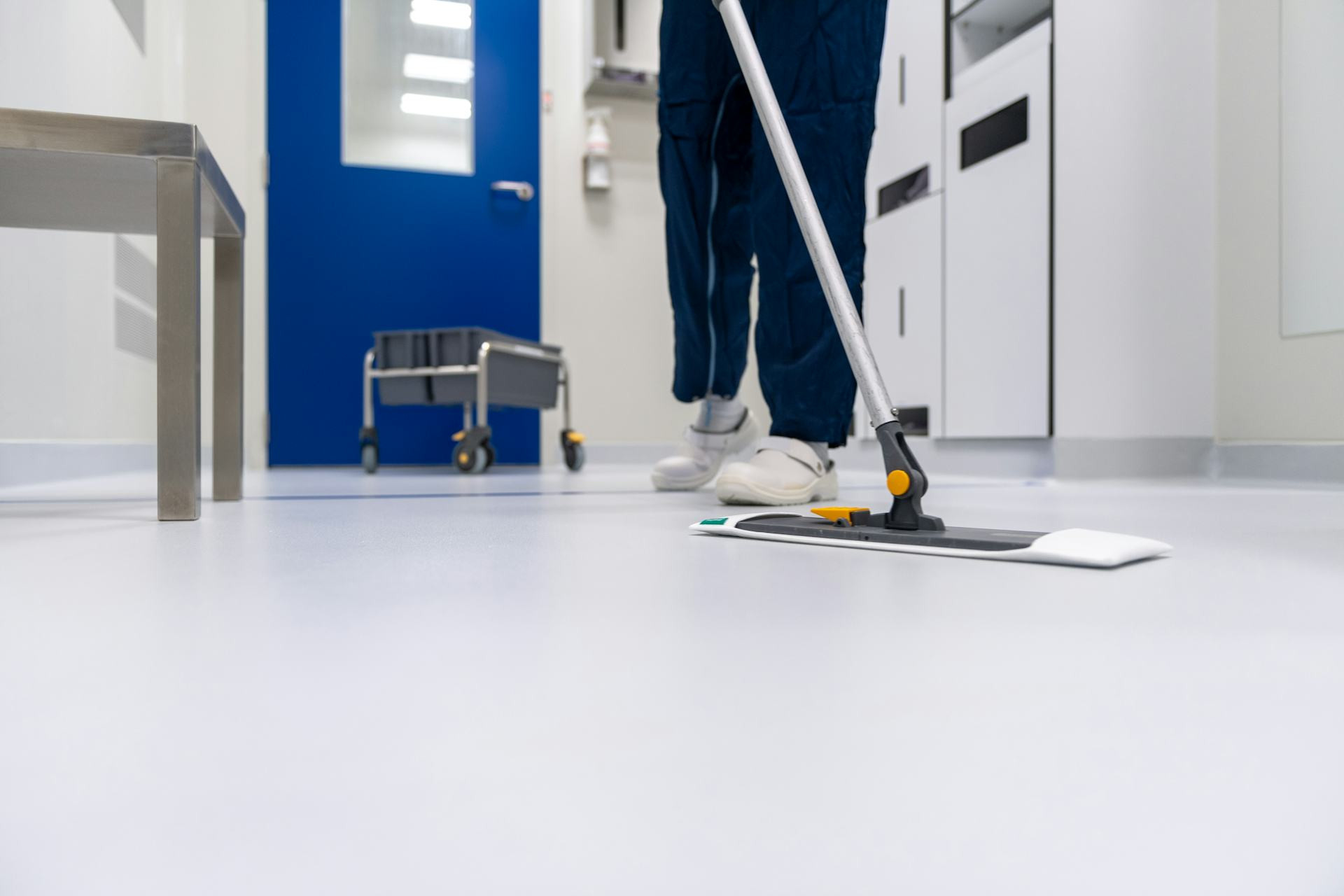
Transform your cleaning routine: The power of disinfectants in action
Understanding Disinfectants
Disinfectants are chemical agents designed to eliminate or reduce harmful microorganisms on surfaces. They are distinct from sanitizers, which lower the number of germs to a safe level. In today’s world, understanding the role of disinfectants is more crucial than ever.
Common disinfectants include bleach, hydrogen peroxide, and alcohol-based solutions. Each has unique properties and application methods, making them suitable for different cleaning tasks.
The Importance of Disinfecting Surfaces
Germs can thrive on everyday surfaces such as countertops, doorknobs, and electronic devices. By incorporating disinfectants into your cleaning routine, you can significantly reduce the risk of illness-causing bacteria and viruses.
High-touch areas demand particular attention. Regular disinfection of these spots helps to create a safer environment, especially in homes with children or elderly family members. The effort you put into maintaining cleanliness pays off in health and well-being.
Choosing the Right Disinfectant
When selecting a disinfectant, it’s important to consider the specific needs of your space. Look for Environmental Protection Agency (EPA) registered products that list their effectiveness against particular pathogens.
Consider the surfaces you’ll be treating. Some disinfectants may damage delicate materials, while others are suitable for a wide range of surfaces. Always check the label for usage instructions to ensure safety and efficacy.
Best Practices for Disinfecting
To maximize the effectiveness of disinfectants, follow these best practices:
- Clean First: Remove dirt and debris from surfaces before applying disinfectant. This enhances the disinfectants ability to penetrate and kill germs.
- Follow Instructions: Use the disinfectant as directed on the label. Pay attention to contact time, as some solutions require a few minutes to effectively kill germs.
- Work in Ventilated Areas: Ensure adequate airflow when using disinfectants, especially those containing strong chemicals. Open windows or use fans to enhance ventilation.
- Use Appropriate Protection: Gloves and masks may be necessary when using strong disinfectants to protect your skin and lungs.
DIY Disinfectant Solutions
If you prefer a more natural approach, consider making your own disinfectant solutions. Simple recipes can include ingredients like vinegar or essential oils, though they may not be as effective against all viruses and bacteria when compared to commercial products.
A common DIY disinfectant involves mixing equal parts of water and vinegar, which can disinfect surfaces while imparting a fresh scent. For a more powerful alternative, dilute 1/3 cup of bleach in a gallon of water for disinfecting high-touch areas.
Time to Transform Your Routine
Incorporating disinfectants into your cleaning routine can empower you to create a healthier living space. Whether you’re a busy professional, a parent, or a caregiver, it’s essential to use effective cleaning solutions.
Start by assessing your current routine. Identify high-touch areas and make a commitment to disinfect them regularly. As you adapt and evolve your cleaning practices, youll notice the immediate benefits of a more sanitized environment.
Staying Informed and Updated
The landscape of cleaning products and recommendations evolves constantly. Stay informed about the latest studies, recommendations, and products in the disinfectant market. Joining community forums or following trusted health organizations can provide valuable insights and updates.
As new pathogens continue to emerge, being proactive in your cleaning approach is essential. By arming yourself with the right knowledge and products, you can significantly transform your cleaning routine for the better.