Transforming Course Centres: Predicting the Future of Learning Spaces
Transforming Course Centres: Predicting the Future of Learning Spaces
The Evolution of Learning Spaces
Learning spaces have undergone significant transformations over the years. Traditional classrooms, once characterized by rows of desks and a chalkboard, are giving way to more dynamic environments. This shift is heavily influenced by advances in technology and the changing needs of students.
Today’s learners crave flexibility, collaboration, and state-of-the-art resources. The evolution of learning spaces reflects this demand, integrating innovative design principles to foster creative thinking and engagement.
Understanding Modern Learners
Modern learners are not just passive recipients of information; they are active participants in their educational journey. This shift has led to a reevaluation of what learning spaces should look like.
Engagement is crucial. Todays students prefer environments that are versatile and adaptable. This means spaces that can easily transition from individual studying to group projects or even informal discussions are becoming the norm.
Technology Integration
Technology plays a pivotal role in shaping the future of learning spaces. The rise of digital tools enables more interactive and personalized learning experiences.
Smartboards, tablets, and virtual reality are just a few examples of technologies being integrated into course centres. These innovations not only enhance accessibility but also cater to various learning styles.
Furthermore, cloud-based resources allow for seamless collaboration, even between those who are physically distant, reinforcing the importance of connectedness in modern education.
Flexible Learning Environments
The future of learning spaces is characterized by flexibility. No longer confined to rigid layouts, course centres are embracing designs that adapt to different teaching methods.
This flexibility enables educators to choose the configuration that best supports their lesson. For instance, furniture on wheels can easily be rearranged for group work or discussions.
Outdoor learning environments also come into play, offering students a change of scenery that can stimulate their creativity and engagement levels.
Focus on Collaboration
Collaboration is essential in today’s educational landscape. Learning spaces are increasingly designed to promote teamwork and interaction among students.
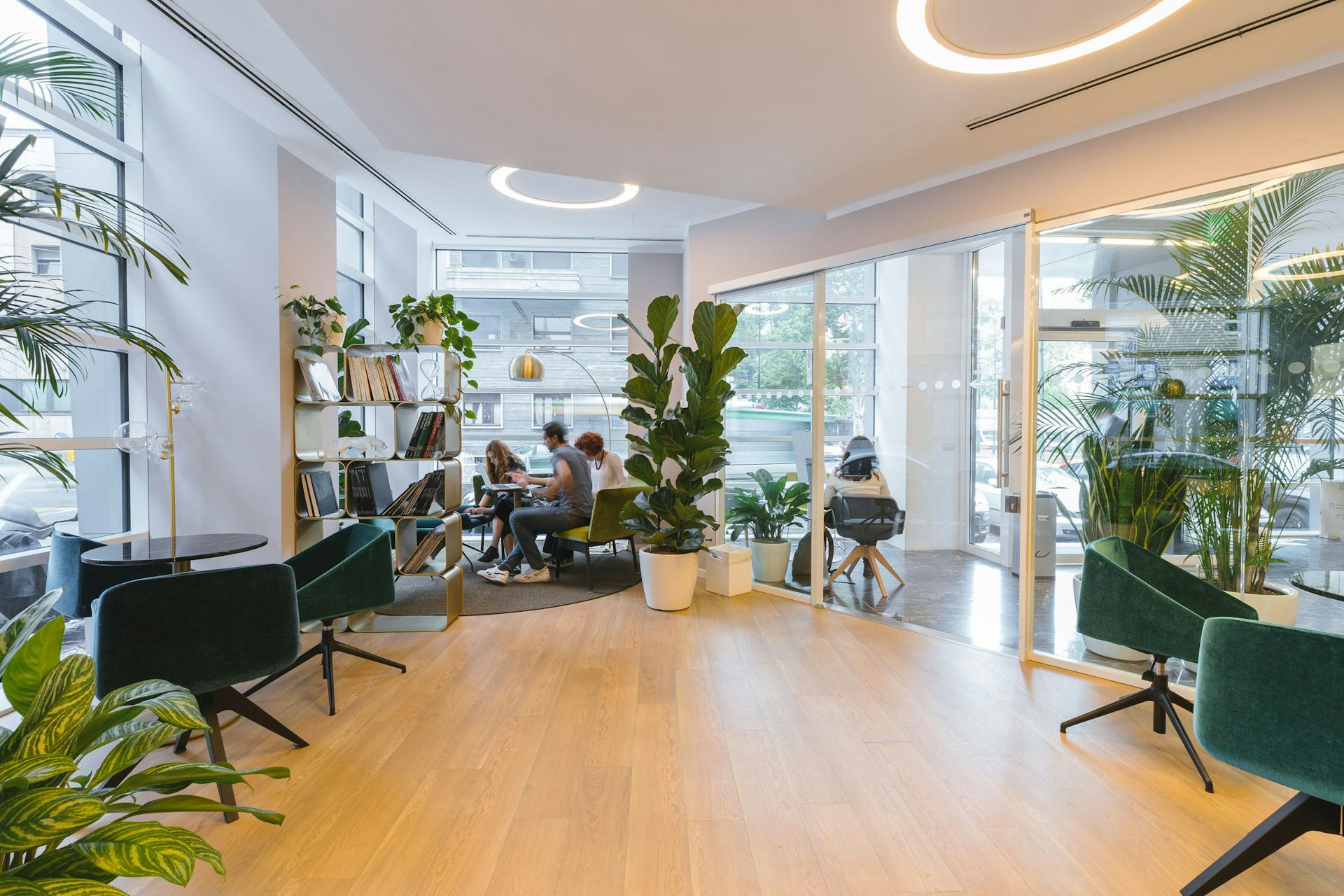
Large communal tables, breakout rooms, and cozy nooks encourage group activities and peer-to-peer learning. These environments help students develop essential skills such as communication, problem-solving, and critical thinking.
Creating a Comfortable Atmosphere
A vital aspect of modern learning spaces is the emphasis on comfort and well-being. A welcoming atmosphere can significantly impact student motivation and overall effectiveness.
Investments in ergonomic furniture, natural lighting, and biophilic design elements, such as plants, contribute to a more pleasant learning experience. It’s crucial to consider all sensory aspects, including noise levels and air quality, to enhance focus and productivity.
Embracing Inclusivity
Future learning spaces must cater to all learners, encompassing diverse backgrounds and abilities. Inclusive design ensures that every student feels valued and supported.
This can manifest through thoughtful layouts that accommodate those with disabilities and features like adjustable furniture or assistive technologies. Creating spaces that acknowledge and celebrate diversity not only enriches the learning experience but also prepares students for a global society.
Conclusion
The transformation of course centres is an exciting journey as we predict the future of learning spaces. With the rise of technology, flexible environments, and a focus on collaboration, education will continue to evolve in ways that enhance student engagement and learning outcomes.